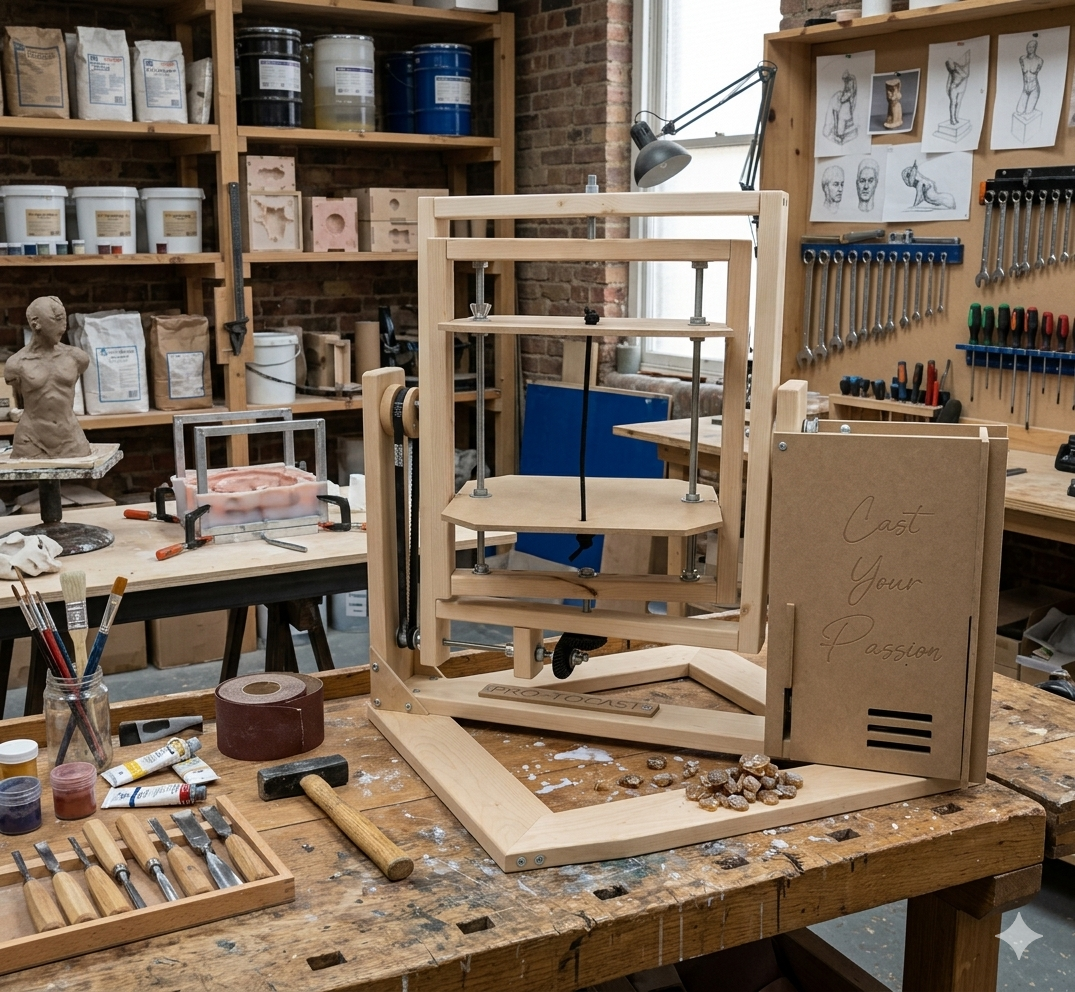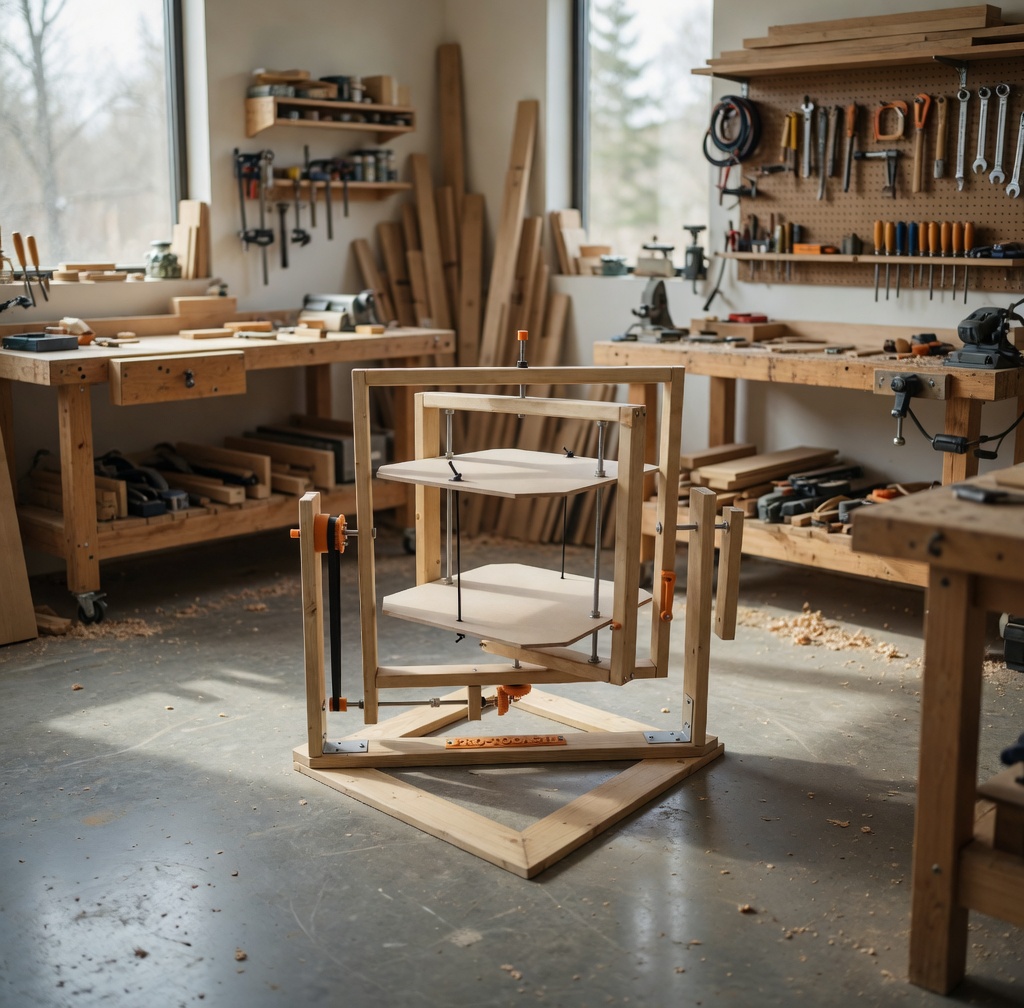
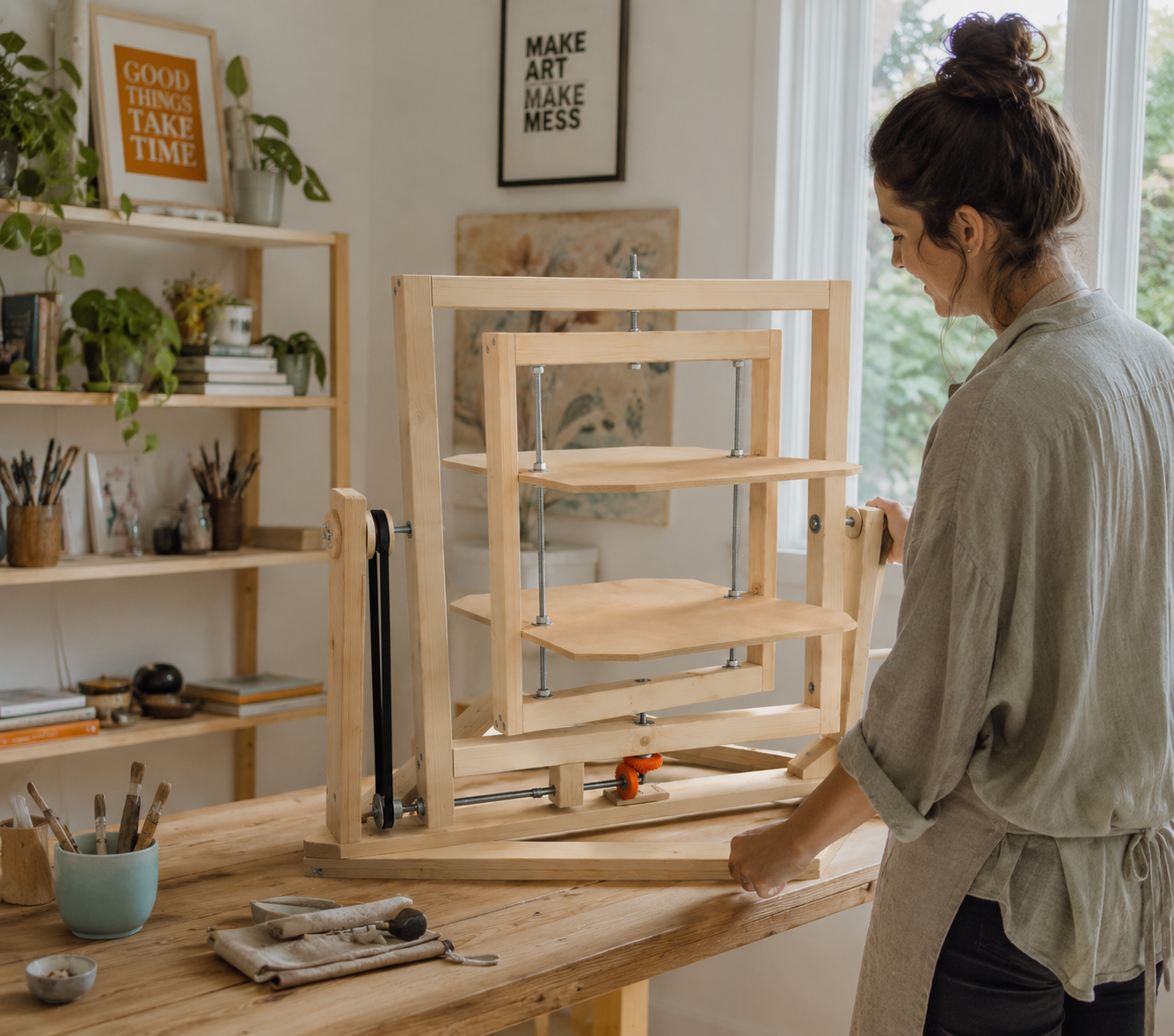
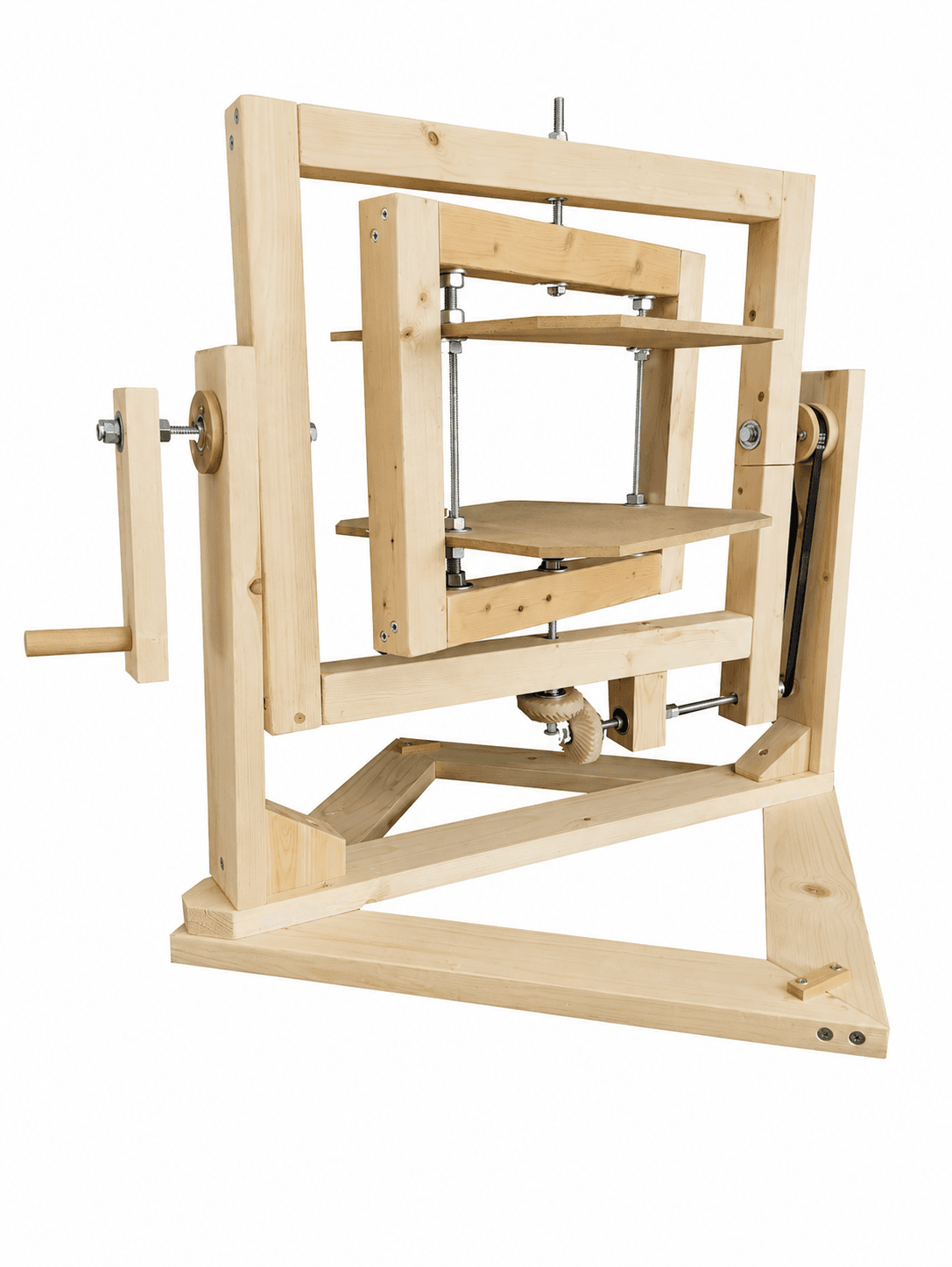
Manual · 10″ HD plates
$149.95 · Built to order · shipped worldwide · free shipping (48 US states)
A compact, heavy-duty manual frame—popular for tight shops and smaller molds.
- Plate 10″ class
- Heavy-duty workshop frame
- Hand-crank
Rotocast hollow plastic and resin
Cast Your Passion
Rotocasters from our workshop to your bench
If you bought through Krimplewips, you already know this machine—now it ships from our workshop.
Nearly ten years on the bench. · Thousands out in workshops around the world. · You supply molds and resin
The machine
Pro-Tocast® is a rotocaster—the machine for rotocast hollow plastic and resin. Mount your mold, pour, and rotate so the material coats the walls. Hollow props, toys, and parts, without print-layer texture. Krimplewips customers will recognize the same design; we have just brought sales home to the shop.
Nearly ten years on the bench. Thousands out in workshops around the world. Built to order, shipped worldwide—shipping calculated at checkout outside the 48 states.
Prop shops, garage kit builders, small studios, surgical teams making prosthetic forms—you bring the resin and the plan; we bring the machine.
Bench scale, built to order—workshop tools, not factory glass rotators or warehouse fulfillment.
For your shop
Prop-shop and industrial rotocasters—usually steel or aluminum, built for factory scale—are commonly listed from about $2,500 to $13,000 USD. Pro-Tocast frames are hand-built from wood in our shop, run $139.95–$374.95, and ship worldwide.
We build for benches, garages, and small studios: hollow resin casts, props, and kits—not warehouse rotomolding lines. Every machine is cut, fitted, and tested here. After nearly ten years and thousands shipped, we still haven't found another shop hand-building wood rotocasters at this scale and price—if you know of one, we'd like to hear about them.
Compare plate size, motor option, and mold weight when you shop. DIY kits and industrial molders are a different category.
For home & bench
Welcome to your new hobby.
A rotocaster is how you turn a silicone mold into a hollow resin cast—props, keepsakes, figures, and parts with even walls. You make the mold; the machine does the slow, steady rotation so material coats the inside of the cavity.
Mold a treasured vase or heirloom, cast a display copy, and put the original away—same look on the shelf, less worry.
One mold, many pulls—duplicate a figure, toy, or sculpt in different finishes or as gifts.
Garage kits, cosplay props, and small runs without industrial floor space or glass factory gear.
You will need a silicone mold (and some practice) before your first pour—we ship the rotational casting machine, not the mold kit. Most people start with a simple one-part or two-part mold and grow from there.
The same Pro-Tocast® frames we ship to prop shops, schools, labs, and museums—built to order in our workshop, ready for your bench.
In the shop
Frames are SPF and white wood. We cut and shape the wood and print the plastic parts here. Motors, hardware, and the rest are chosen for the job and fitted in the shop—this is not an off-the-shelf kit with our name on it. Roughly three to four hours from lumber to a finished machine, each time.
On the bench
The gear ratio took years to get right—smooth rotation you can actually control at bench scale, without fighting the crank.These are workshop tools, not medical devices. You pick your materials and how you use them.
History
First frames take shape on the bench—measure, cut, test, repeat.
The manual 12″ settles in as the size most people start with.
Motorized 12″ arrives; 18″ manual and motorized join the lineup the same year.
Nearly ten years of Pro-Tocast® in the wild. You can order here at pro-tocast.com, on Etsy, eBay, and Amazon—or reach out if you have been with us since the Krimplewips days.
Buyers
A decade of orders through Krimplewips on eBay—and now direct from the same workshop.
The product is well built, the delivery was faster than expected and intuitive to assemble & adjust.
Works like a champ! It took less than 10 minutes to get unboxed, assembled and spinning. Well thought out and the build is high quality. This is a must have for casting. It'll pay for itself in resin cost savings and no more problems with bubbles and air pockets in your castings. Used Smooth Cast 65D and Smooth Cast 300 and both work well for rotocasting. Great communication and fast shipping!
Pro-tocast Rotocaster WORKS! I bought this for my son so he could cast his original clay design toys. He was up and running almost immediately. Be advised that you should research the process and have some knowledge of the casting process. It is an entry-level piece of equipment so it's perfect for learning to cast, but you must also learn to make molds from silicone from you your own clay sculptures before you use it. It needs very little tweaking right out of the box and you will need about 4 square feet of table space to support it.
I'm new to casting and I've only used this a few times so far, but I'm very happy with it. It needed a little tightening up in spots but NBD. Also shipped and recieved waaaay ahead of schedule, so that was awesome.
Configurations
Six sizes from 10″ to 30″. The 18″ and 30″ frames are their own machines—not a stretched version of the smaller builds.
$149.95 · Built to order · shipped worldwide · free shipping (48 US states)
A compact, heavy-duty manual frame—popular for tight shops and smaller molds.
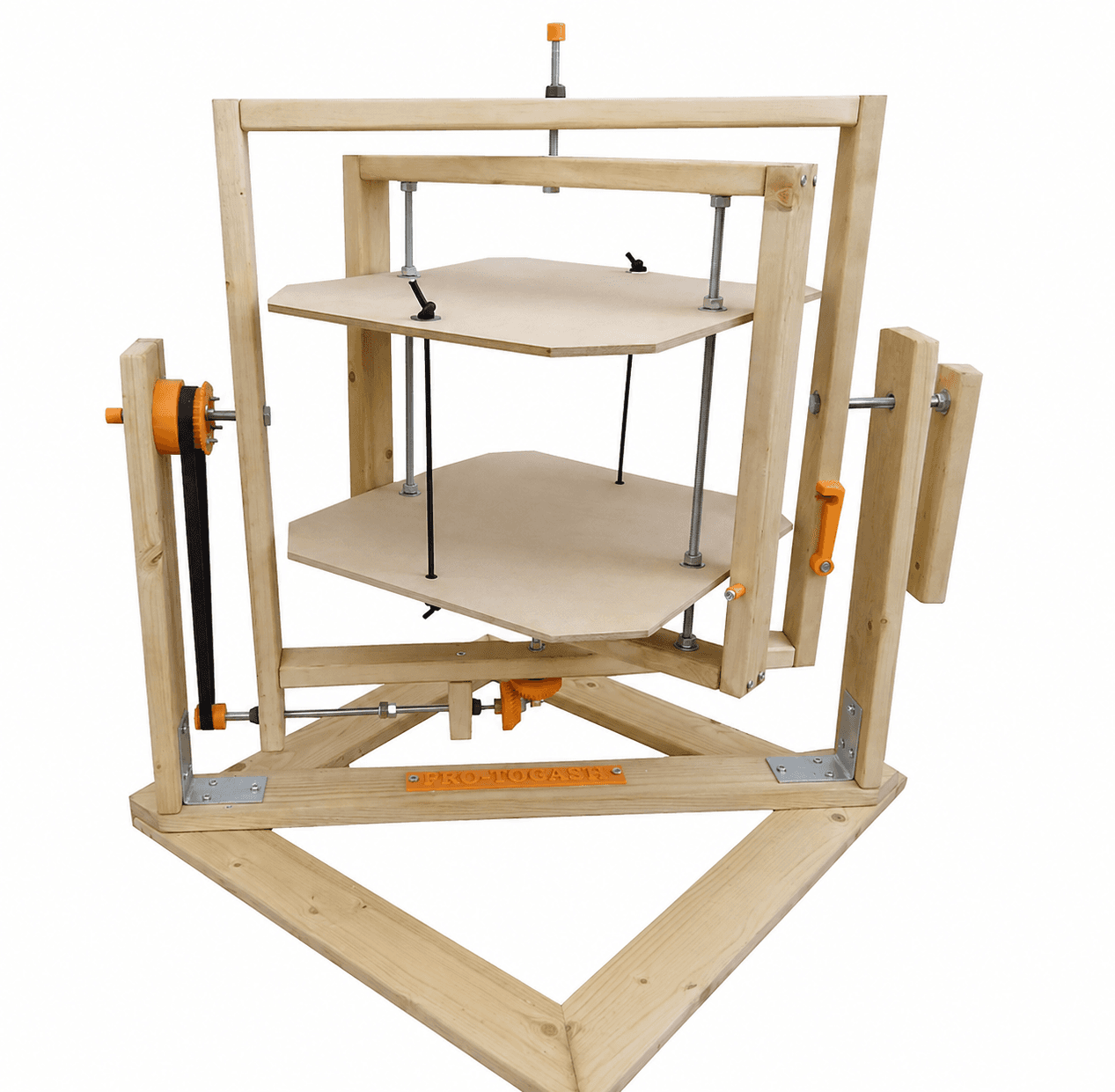
$139.95 · Built to order · shipped worldwide · free shipping (48 US states)
A solid place to start. Arrives ~95% assembled—bolt on the base and plates, then cast.
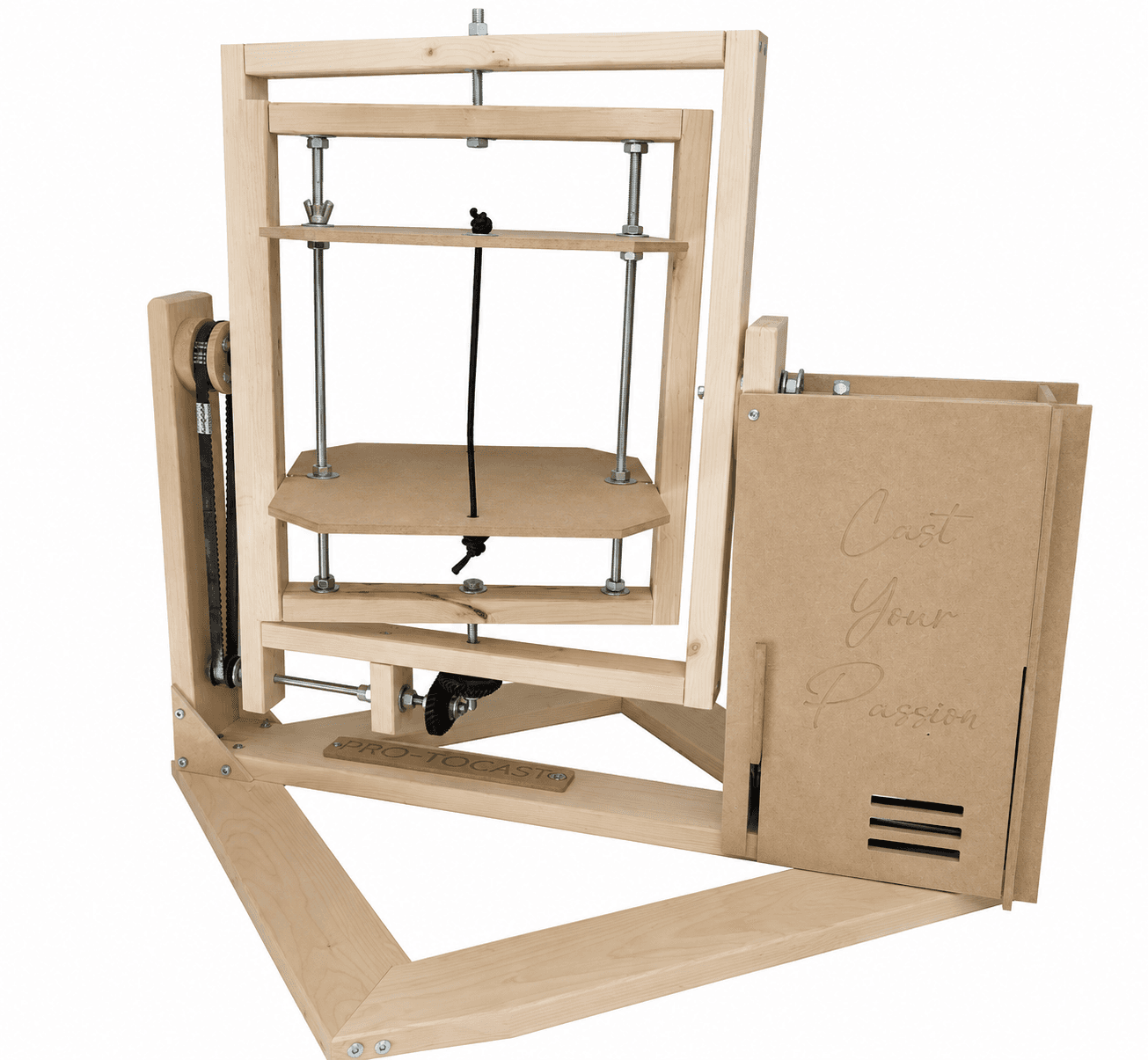
$229.95 · Built to order · shipped worldwide · free shipping (48 US states)
Motor drive when you want steady rotation, plus a hand crank for fine speed control. Sold out right now.
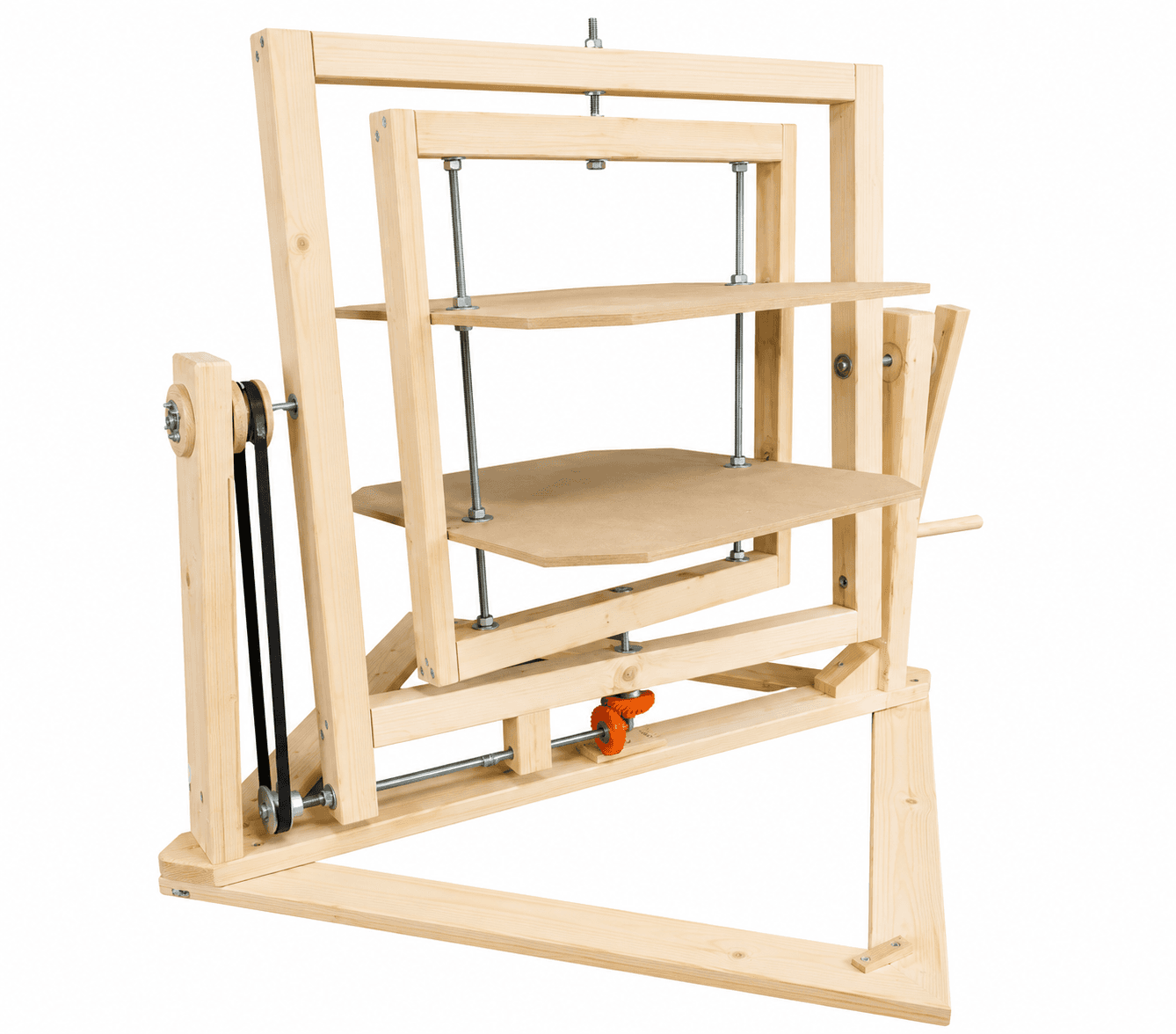
$229.95 · Built to order · shipped worldwide · free shipping (48 US states)
More room for bigger molds, props, and two-part pours.
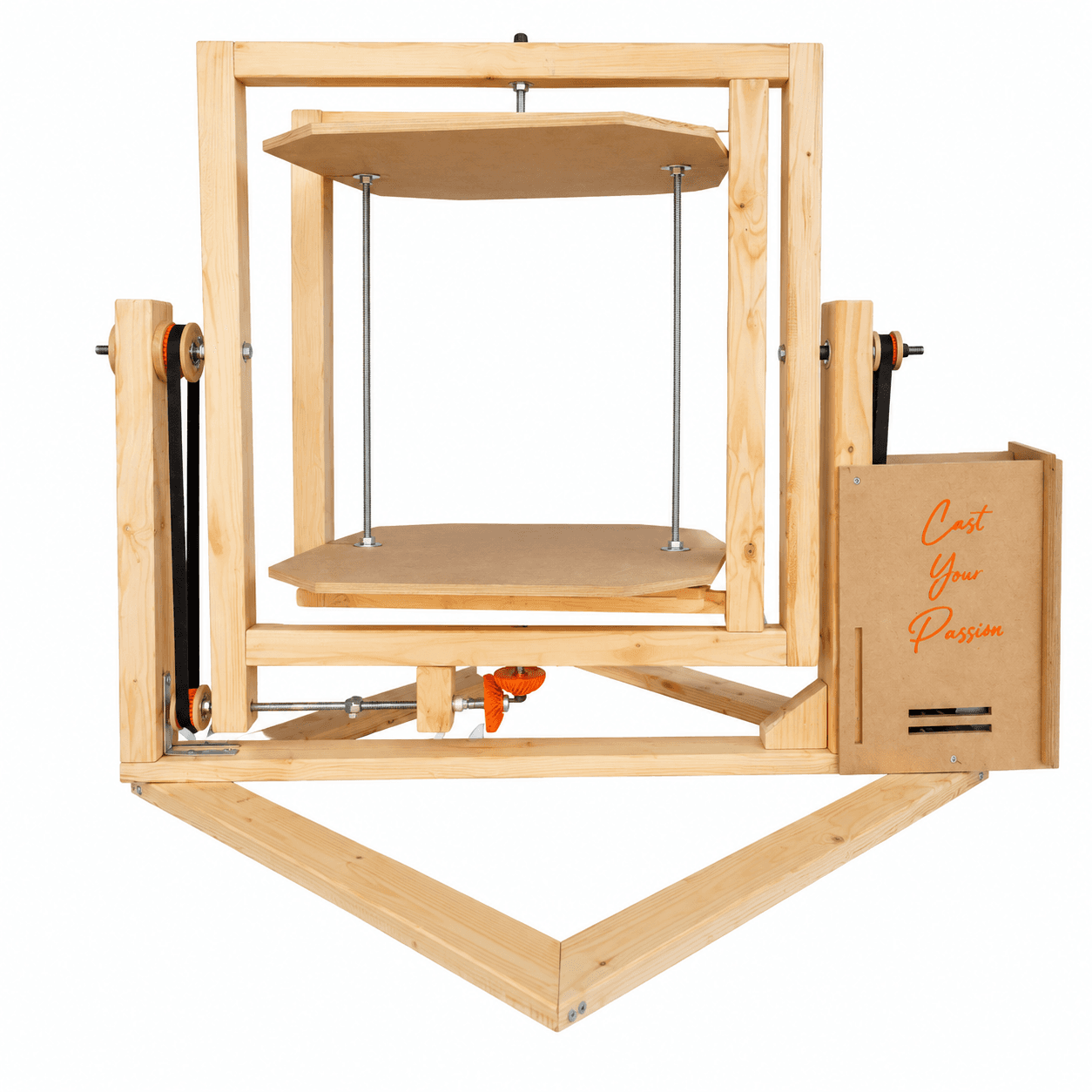
$374.95 · Built to order · shipped worldwide · free shipping (48 US states)
The large motorized frame—when you are casting often and want the motor to do the work.
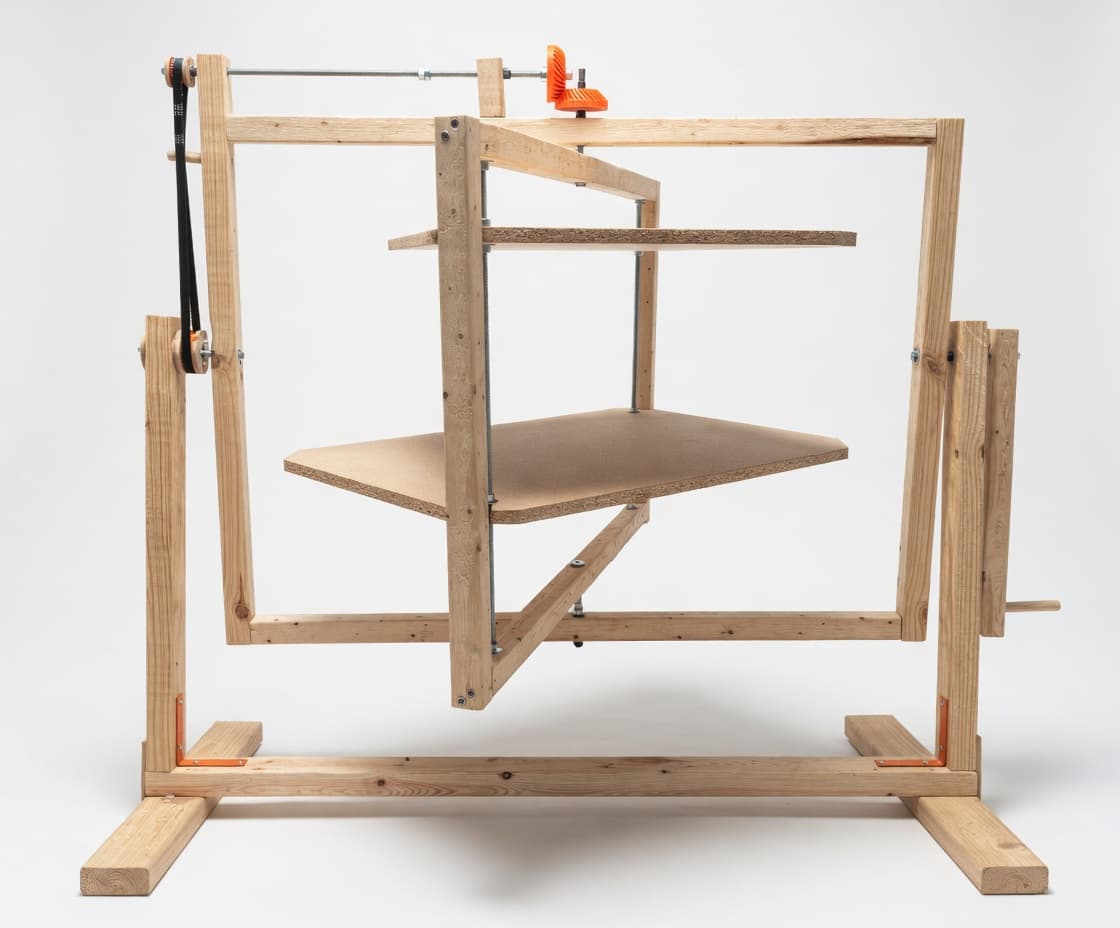
$349.95 · Built to order · shipped worldwide · free shipping (48 US states)
Our largest manual frame—built for oversized molds and props, not a scaled-up 18″.
Good to know
Printed manual, tools where they matter (like an Allen key on motorized units), and a machine about 95% assembled—attach the base and plates and you are ready to cast. · Any 3D-printed part we made: replaced free for 36 months. · Pro-Tocast®FAQ
Rotocasters, molds, and ordering—for home benches, studios, and shops.
Accessories
Adjustable molding boxes for silicone and resin—at the bench on their own, or paired with a Pro-Tocast. Same shop, same standards as the rotocasters.
Set the walls where you need them instead of collecting fixed-size forms. Pour, cure, and demold in one clean envelope—whether you are prepping blanks for the rotocaster or working mold-only.
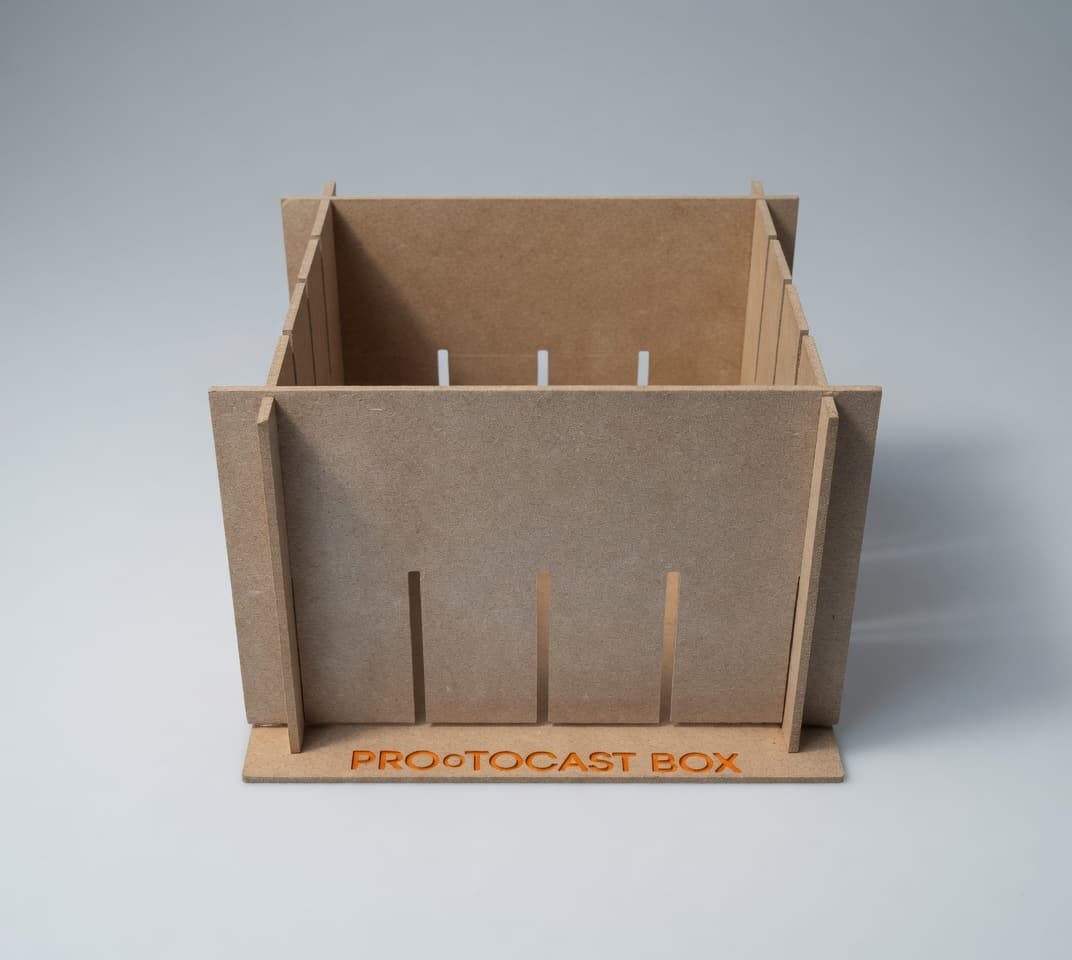
$49.95 · Built to order · shipped worldwide · free shipping (48 US states)
Fits smaller molds and tighter benches without giving up adjustability.
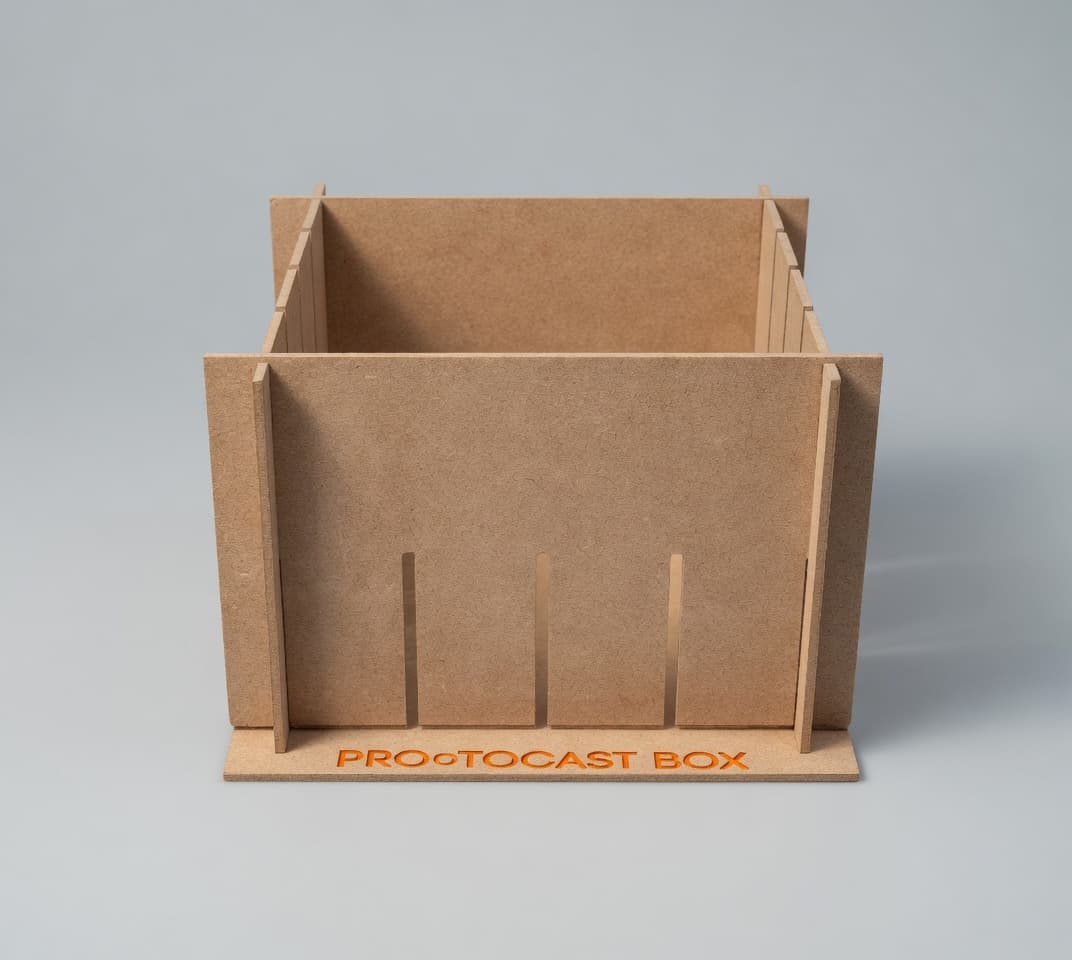
$79.95 · Built to order · shipped worldwide · free shipping (48 US states)
More height and span for larger silicone pours and cast prep.
Order
Buy any item from the lineup with Buy now (secure Stripe checkout). You can also find us on Etsy, eBay, and Amazon—or email below with questions.